
Bomb Attack in Colombia: Death Toll Rises to 13, 38 Injured
· Telemundo McAllen (KTLM)
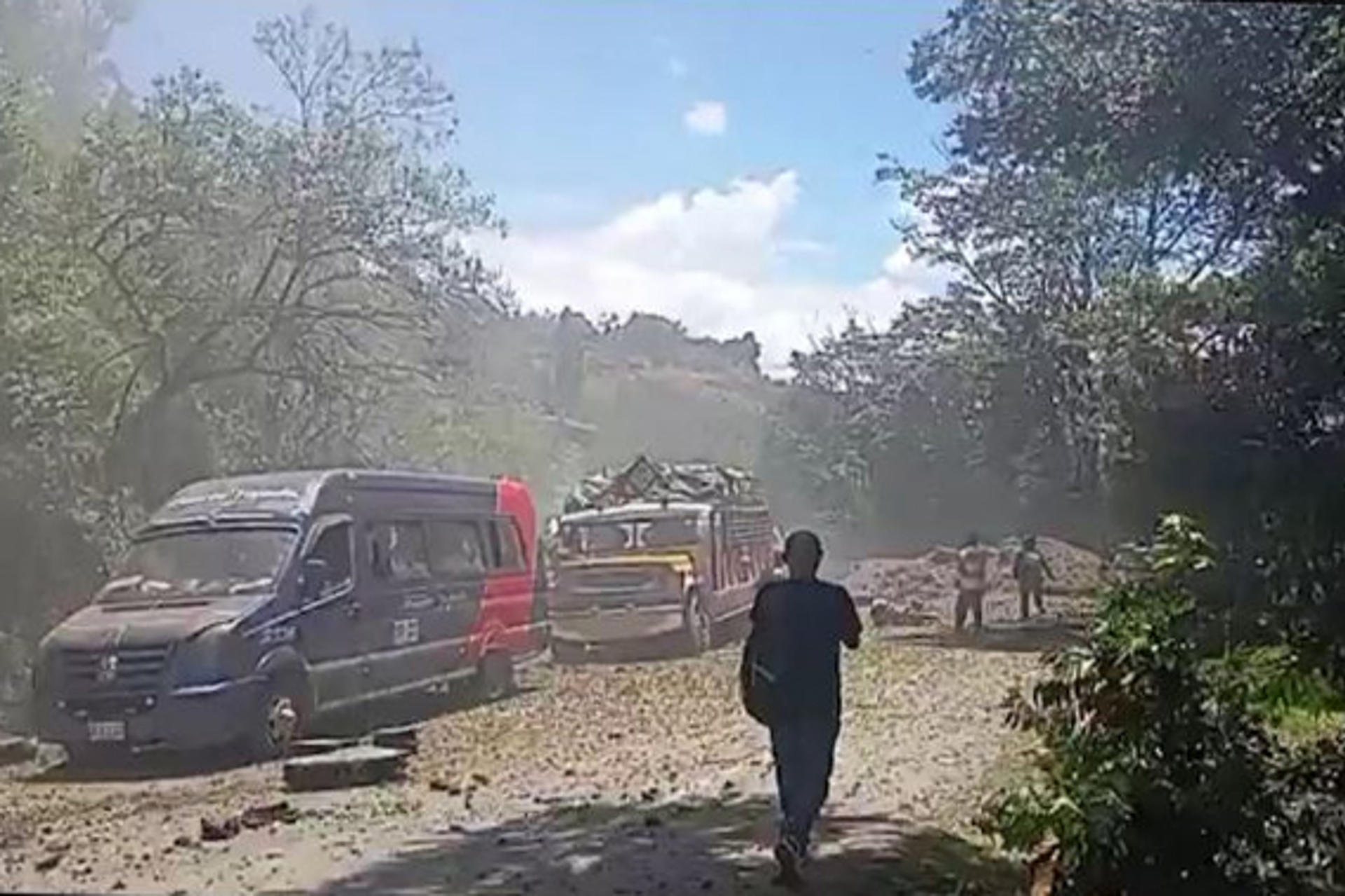
BOGOTÁ, Colombia — An explosive device killed 13 people traveling on a bus in southwestern Colombia on Saturday in what the country’s army chief described as a 'terrorist act.' The attack also left at least 38 injured amid escalating violence tied to drug trafficking in the region. Octavio Guzmán, governor of the Cauca region, stated on social media platform X that the device was detonated as the bus traveled along the Pan-American Highway near the municipality of Cajibío. Among the injured are five children, according to Carolina Camargo, Cauca’s health secretary, who spoke to Noticias Caracol. General Hugo López, commander of Colombia’s Armed Forces, blamed the attack on a network led by 'Iván Mordisco,' one of Colombia’s most-wanted figures, and the Jaime Martínez faction. Both groups are dissidents of the now-defunct Revolutionary Armed Forces of Colombia (FARC) operating in the region. Neither Iván Mordisco nor the Jaime Martínez faction adhere to the 2016 peace accord signed with the Colombian government. President Gustavo Petro condemned the attack on X, calling the perpetrators 'terrorists, fascists, and drug traffickers.' The explosion is the latest in a series of attacks targeting public infrastructure in southwestern Colombia. Over the past two days, at least 26 incidents have been reported, including a shooting at a police station in rural Jamundí and an attack on a Civil Aeronautics radar facility in El Tambo, where authorities intercepted and destroyed three explosive-laden drones on Saturday. No injuries were reported in those cases. On Friday, two vehicles packed with explosives were detonated near military units in Cali and Palmira, causing material damage. The escalating violence has prompted the mobilization of high-ranking officials, including Defense Minister Pedro Sánchez, who was meeting with regional governors and local authorities in Palmira when the deadly explosion occurred. Sánchez vowed to respond 'firmly' to the attacks. Francisca Toro, governor of Valle del Cauca, has urged the national government to provide 'immediate support,' calling for increased security forces, intensified intelligence operations, and 'decisive actions' against crime. Authorities say Cauca and Valle del Cauca are key territories for illegal armed groups vying for control of maritime and river routes leading to the port of Buenaventura, a critical transit point for drug trafficking to Central America and Europe. The government has offered a reward of over $1 million for information leading to the capture of 'Marlon,' identified as the leader of the dissident group operating in the region. Local authorities have also offered $14,000 for information on those responsible for the attacks in Cali and Palmira.