
What to Know if Your Flight is Canceled Due to Rising Aviation Fuel Costs
· Telemundo McAllen (KTLM)
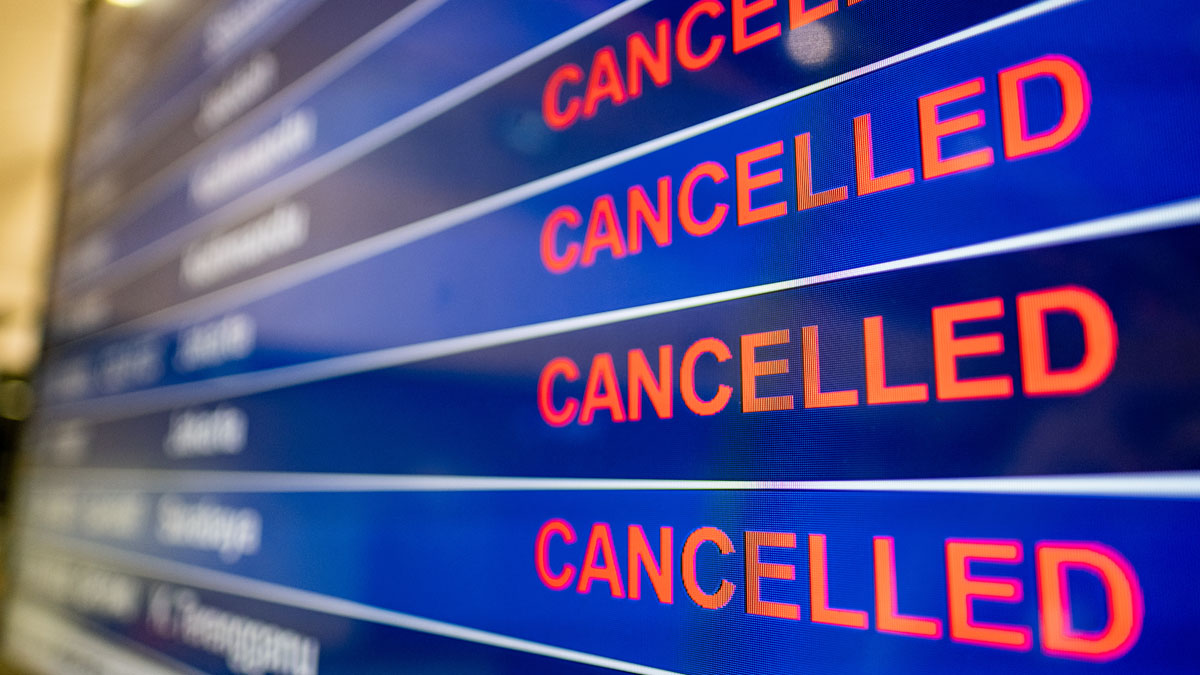
Airlines worldwide have begun canceling flights as the war in the Middle East strains aviation fuel supplies and drives up prices, but the challenges don't end there. For travelers, this could mean navigating a confusing web of passenger protections that vary widely depending on the destination. Timing is amplifying the impact. 'These pressures are hitting at a time when summer travel demand is increasing, and major events like the World Cup are expected to put additional strain on airports,' said Eric Napoli, legal director at AirHelp, a company that assists travelers in obtaining compensation for flight disruptions and advocates for passenger rights. Are last-minute cancellations happening? In most cases, no. For now, fuel-related cuts are typically made days or weeks in advance. Lufthansa Group, for example, announced this week that it will cut 20,000 short-haul flights across its network through October. This gives travelers more time to adjust plans compared to weather-related disruptions, which often result in last-minute cancellations. What should I do first if my flight is canceled? Check the airline's app or website immediately for rebooking options. For U.S.-based airlines, this is often the fastest and easiest way to secure a new seat, according to Tyler Hosford, security director at International SOS, a global travel risk and safety management company. Airlines outside the U.S. may have fewer digital tools, so it's worth trying multiple channels, including customer service lines or airport counters. Am I entitled to a refund or a new flight? In most cases, yes. Airlines typically offer either a refund or rebooking on the next available flight. Exact rules vary by country, but these are the basic options travelers can expect. In the U.S., for instance, if your flight is canceled and you choose not to travel, the airline must refund your ticket cost regardless of the reason. Airlines may offer travel credits instead, but you are entitled to a full refund for the ticket and any unused services, such as baggage fees or seat upgrades. Are passenger rights the same everywhere? No, protections vary significantly by region, from the Montreal Convention, which governs airline liability in over 140 countries, to specific consumer protection laws in the U.S., Canada, the European Union, the UK, Turkey, and Brazil. Europe has some of the strongest protections, including compensation in certain cases. These apply to any flight departing from an EU airport, regardless of the airline, and to passengers flying with EU-based airlines to the EU, even if the journey starts outside Europe. The UK has a similar framework. The U.S. and Canada offer more limited protections. Policies vary greatly in Asia, where travelers may need to rely more on airline policies than formal regulations. Experts recommend researching 'passenger rights' for the departure country before traveling. What protections apply? It depends. Airlines may cite fuel shortages or price increases as reasons for cancellations, but compensation rights often depend on whether the disruption is considered within the airline's control under local laws. Regardless of the cause, Napoli explained that airlines in the EU, for example, still have a 'duty of care,' meaning they must provide necessary support to travelers, including rebooking. 'Even though airlines are citing fuel shortages as reasons for upcoming cancellations, travelers should know this does not automatically void their rights under EU laws,' he added. How can I prepare for a trip to avoid issues? A few steps can make disruptions easier to handle. Sign up for flight alerts to stay informed, and whenever possible, book directly with the airline—it’s much easier to resolve issues directly than through third-party booking sites. Knowing your options in advance and having alternatives can make a big difference if plans change. What do I need to file a claim or complaint? Documentation is key. Save everything: boarding passes, receipts, cancellation notices, and any communication from the airline. Take screenshots of updates on the app or website and any online communications, and note key details from phone calls. Napoli also recommends asking the airline for written confirmation of the flight disruption, including the stated reason. Should I accept the first alternative flight offered by the airline? Not necessarily. Experts say one of the most common mistakes travelers make is accepting the first option without reviewing alternatives. Check other flights, routes, or even nearby airports—you might find a faster or more convenient way to reach your destination. Can I book a different flight myself? Yes, but proceed carefully. If the airline's rebooking option doesn’t meet your needs—especially if the new flight is days away—you can look for alternatives and request a refund instead. Keep in mind you may need to pay upfront for any fare differences, and reimbursement may not be guaranteed later. Any other tips to avoid being stranded? — Book flights early in the day to have more rebooking options if something goes wrong. — Set up flight alerts through tracking apps like Flighty to get early notifications of cancellations or delays. In some cases, Hosford noted, these alerts arrive before the airline’s own notifications. — Consider nearby airports as alternative options. — Be polite. Airline agents may be more willing to assist when interactions are calm and respectful. 'Ultimately, the shortage is impacting the entire system, from travelers to airlines, and it’s something to keep in mind as the industry seeks solutions ahead of the summer travel season,' Napoli concluded.